The Will-Free Wealth Catastrophe: How 60% of Britain Risks Losing Their Legacy to Legal Lottery

The Scale of Britain's Estate Planning Crisis
Across Britain, approximately 31 million adults are walking a financial tightrope without realising it. These individuals have accumulated property, savings, investments, and personal possessions worth hundreds of thousands of pounds, yet they've failed to complete the single most important document that determines where this wealth flows after death.
The consequences of dying intestate—without a valid will—extend far beyond administrative inconvenience. Under England and Wales's rigid intestacy rules, your estate becomes subject to a predetermined hierarchy that frequently contradicts your actual wishes and can trigger devastating financial consequences for those you intended to protect.
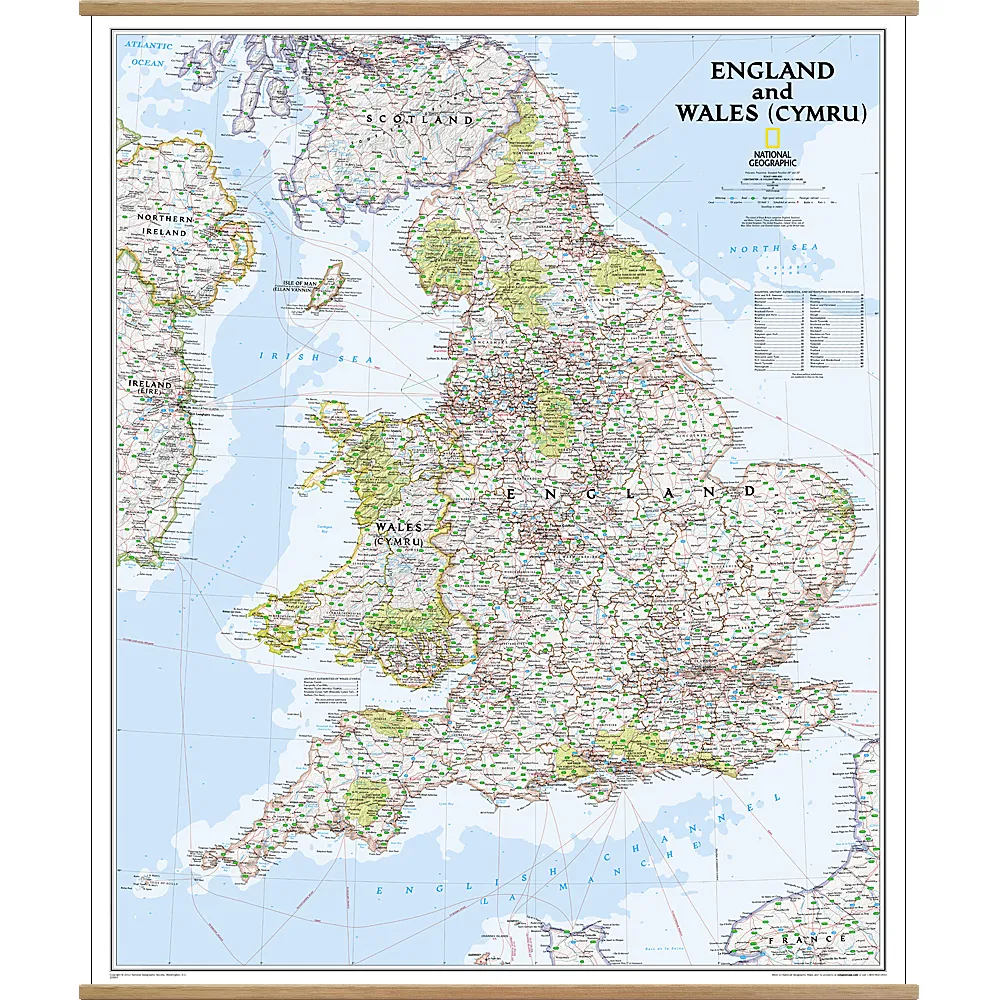 Photo: England and Wales, via geographica.net.au
When the State Decides Your Legacy
Intestacy laws operate with mechanical precision, distributing your estate according to a fixed formula that recognises only legally defined relationships. If you're married or in a civil partnership with children, your spouse receives the first £322,000 plus personal belongings, with the remainder split between your spouse and children. Unmarried partners, regardless of relationship length, receive nothing.
For many middle-class British families, this creates immediate problems. Consider a couple with a £400,000 home, £150,000 in pensions and ISAs, plus additional assets. The surviving partner might receive £322,000 plus belongings, whilst £228,000 flows directly to minor children through court-appointed trustees—money they cannot access when they most need financial stability.
The Hidden Tax Trap
Intestacy can inadvertently trigger substantial inheritance tax liabilities that proper estate planning would have avoided. When assets pass to children rather than spouses, they cannot benefit from the unlimited spousal exemption. This means estates exceeding the £325,000 nil-rate band become liable for 40% inheritance tax on amounts that could have passed tax-free with appropriate planning.
Furthermore, intestate estates cannot utilise sophisticated tax planning strategies such as discretionary trusts, charitable giving, or business property relief optimisation. These mechanisms, routinely employed in well-drafted wills, can reduce inheritance tax liabilities by hundreds of thousands of pounds.
The Court-Appointed Guardian Dilemma
When parents die intestate leaving minor children, the court appoints guardians and trustees to manage inherited assets. These individuals may not align with your preferences for your children's upbringing, education, or financial management. The court's primary concern is legal compliance, not your family's unique circumstances or values.
This process typically involves substantial legal costs, extended delays, and ongoing court supervision that can consume significant portions of the estate. Professional trustees charge annual fees of 0.5% to 2% of assets under management, costs that compound over time and reduce the ultimate inheritance.
Business Assets and Professional Practices
For business owners and professionals, intestacy creates particularly complex problems. Partnership agreements, shareholding structures, and professional practice ownerships require specific succession planning that intestacy laws cannot accommodate.
Without proper documentation, business assets may pass to individuals who cannot legally own them (such as minors) or who lack the expertise to manage them effectively. This can force business sales at unfavourable prices, destroying years of value creation and potentially eliminating ongoing income streams for surviving family members.
The Cohabitation Catastrophe
Despite widespread belief in "common law marriage," no such legal concept exists in England and Wales. Unmarried partners have no automatic inheritance rights, regardless of relationship duration or shared financial commitments.
This affects millions of British couples who have chosen to cohabit rather than marry. Without a will, the surviving partner may discover they have no legal claim to the family home, savings accounts, or investment portfolios they helped build. The deceased partner's estate passes instead to parents, siblings, or even distant relatives.
International Complications
For British residents with overseas assets or foreign domicile status, intestacy creates additional complexity. Different jurisdictions apply varying inheritance laws, potentially creating conflicts over asset distribution and tax treatment.
Spanish holiday homes, French investment properties, or offshore investment accounts may be subject to forced heirship rules that override British intestacy provisions, creating fragmented estate administration across multiple legal systems.
Building Your Estate Planning Foundation
Protecting your wealth and family requires more than a basic will, though this remains the essential starting point. A comprehensive estate plan should include:
Lasting Powers of Attorney covering both financial affairs and health decisions, ensuring trusted individuals can act on your behalf if you become incapacitated.
Letter of Wishes providing guidance to executors and trustees about your intentions for asset distribution, family care, and charitable giving.
Trust Structures where appropriate, offering flexibility in asset distribution whilst providing tax efficiency and protection from beneficiary creditors.
Regular Reviews ensuring your estate plan reflects changing family circumstances, asset values, and tax legislation.
The Professional Imperative
Whilst online will-writing services offer basic document creation, complex estates require professional expertise. Solicitors specialising in estate planning understand the intricate interplay between inheritance law, tax planning, and family dynamics.
The cost of professional estate planning—typically £500 to £2,000 for comprehensive documentation—pales compared to the potential losses from intestacy. Consider this an investment in your family's financial security rather than an expense.
Taking Action Today
Estate planning procrastination stems partly from the uncomfortable reality of confronting mortality, but primarily from underestimating the financial stakes involved. Every day without proper documentation represents a risk that could cost your family tens or hundreds of thousands of pounds.
Begin by cataloguing your assets, considering your distribution preferences, and identifying trusted individuals to serve as executors and guardians. This preparation streamlines the professional drafting process and ensures your estate plan truly reflects your wishes.
Your wealth deserves the same careful attention in death as you provided during life. The alternative—leaving your legacy to legal lottery—is a gamble no responsible wealth builder should take.